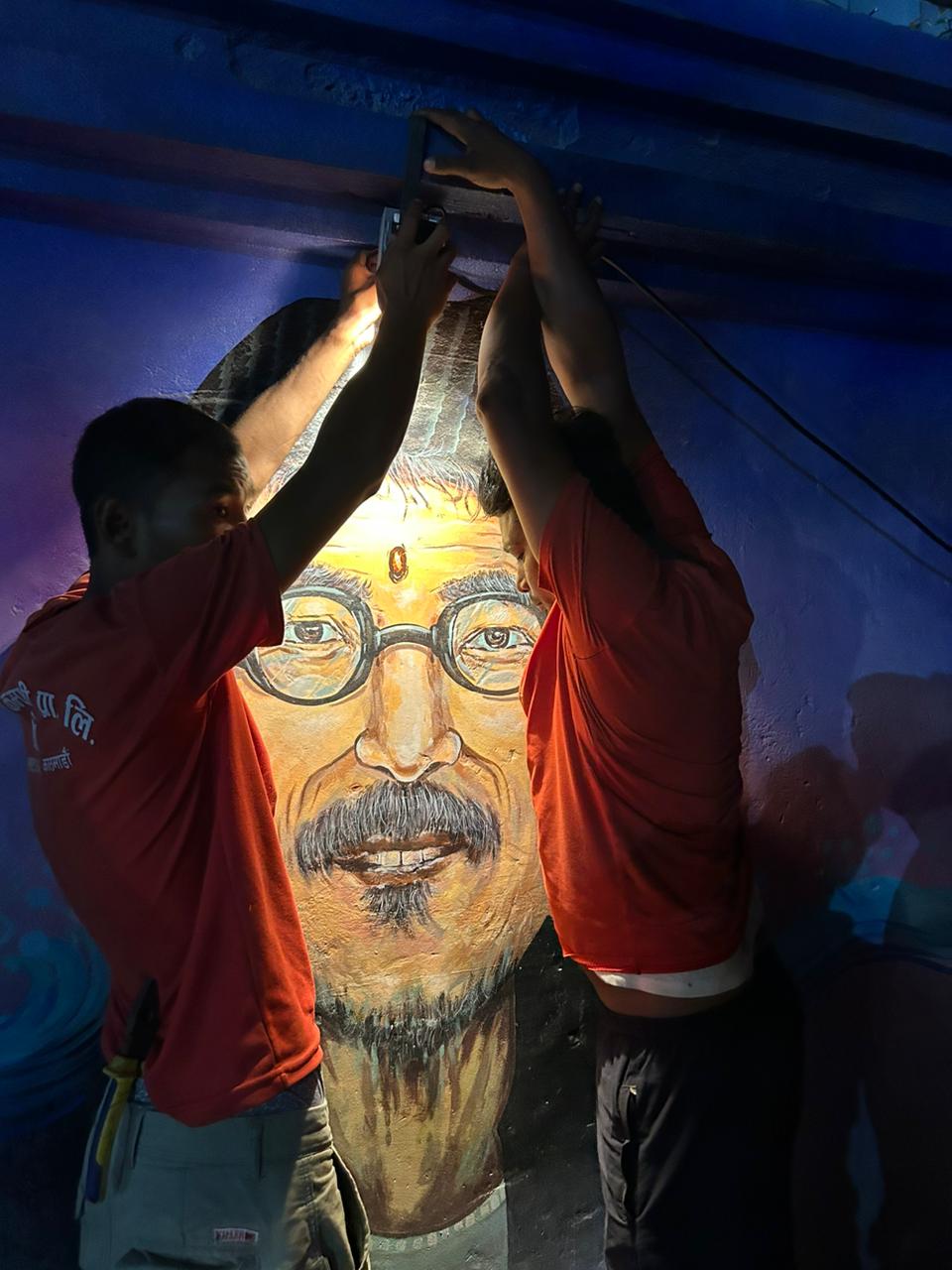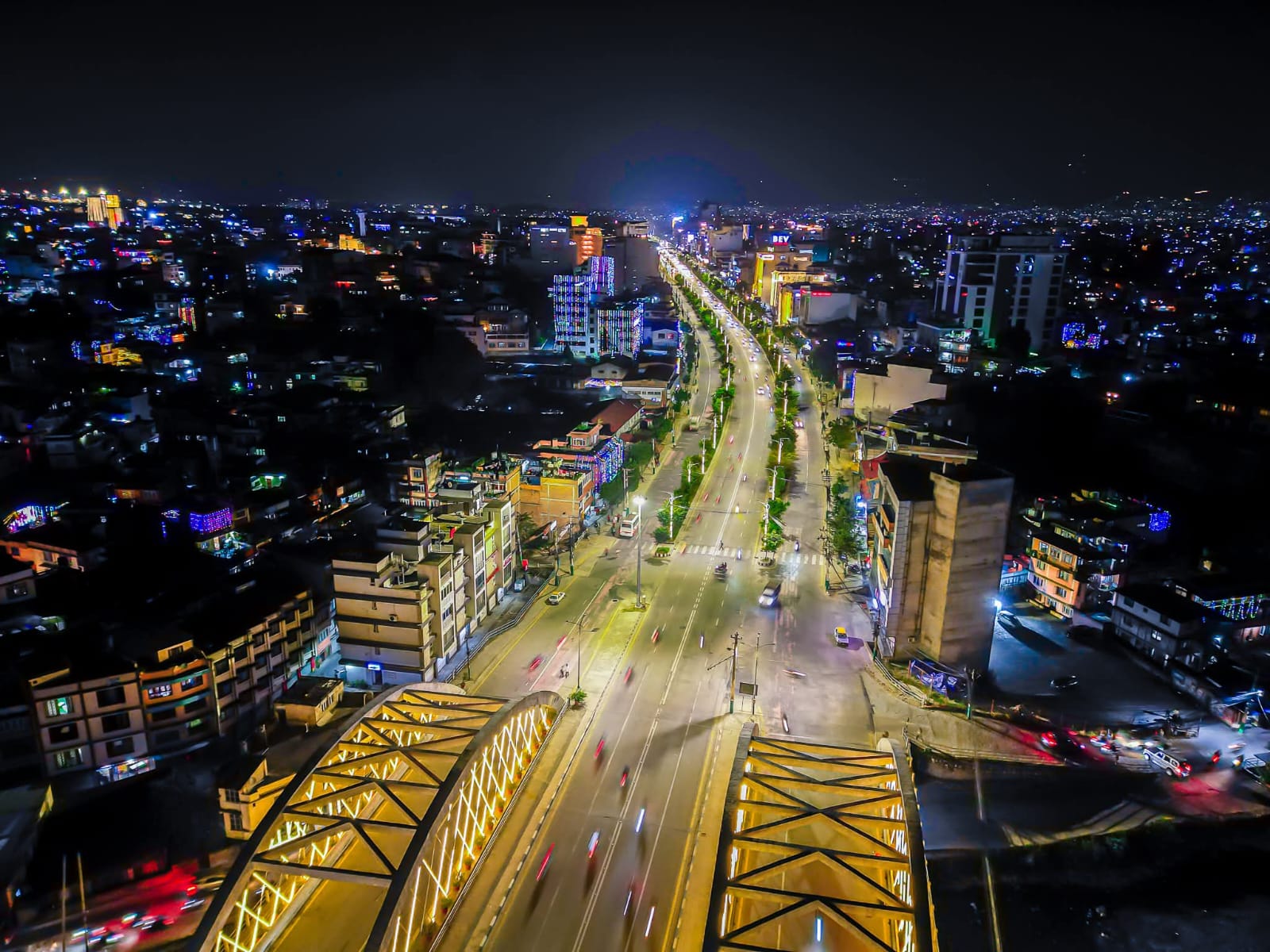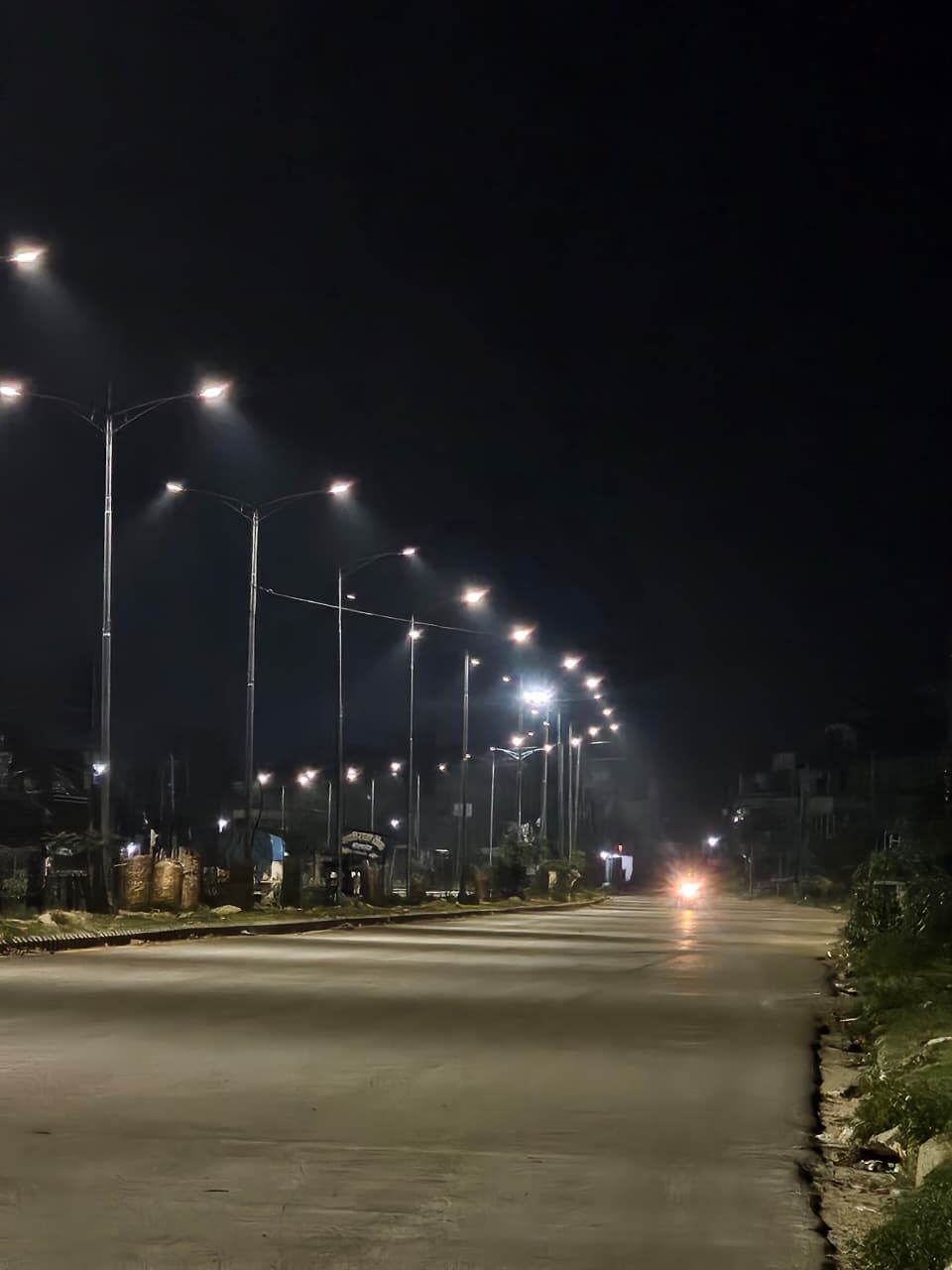
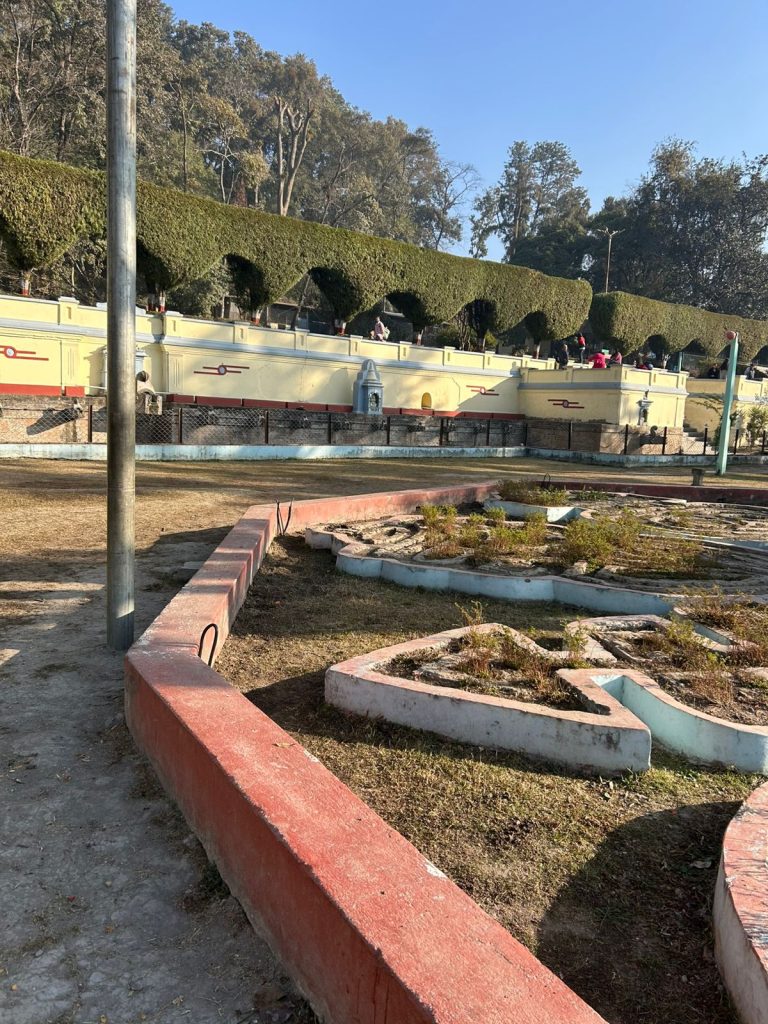
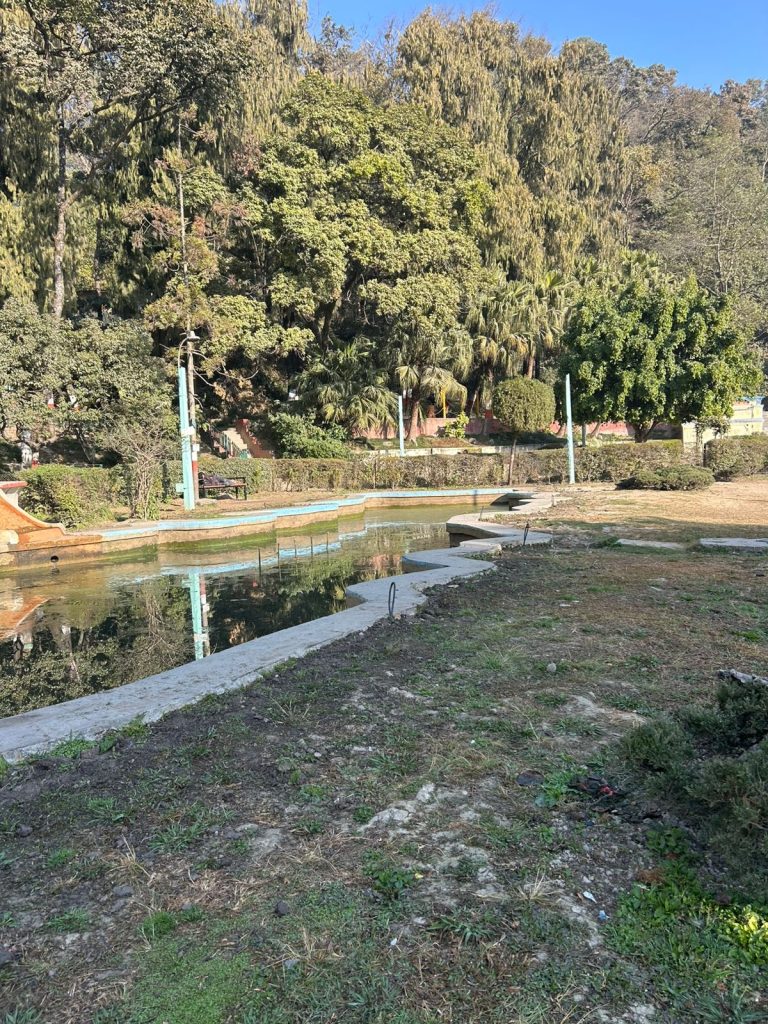
Kathmandu Metropolitan City continues to advance its vision of a smart, safe, and sustainable urban environment with the successful completion of the Smart Park Lighting Project across eight major parks within the city. This initiative brings a new level of comfort, safety, and visual appeal to Kathmandu’s green spaces, encouraging more citizens to enjoy parks during evening hours.
Safer and More Inviting Public Parks
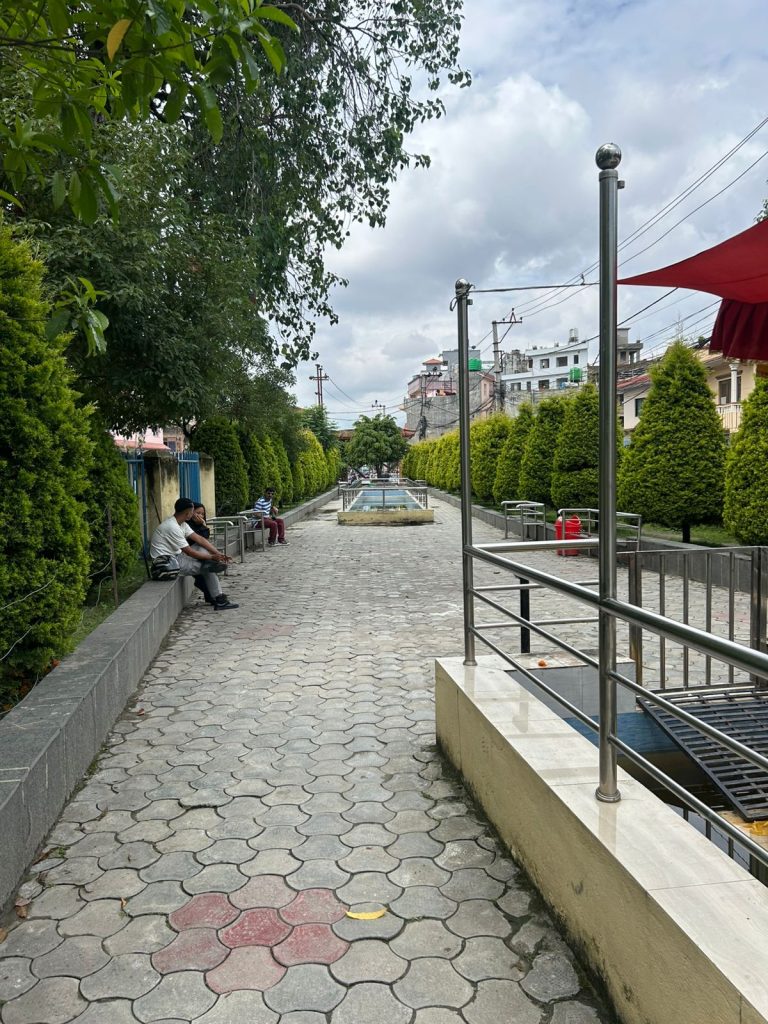
The primary goal of the project was to enhance safety and accessibility in public parks after sunset. The newly installed smart lights ensure uniform illumination, reducing dark zones and helping visitors feel secure while walking, exercising, or relaxing in the parks at night. By making these areas brighter and more visible, the project helps prevent accidents and discourages antisocial activities, contributing to a safer community atmosphere.
Smart Lighting for Energy Efficiency
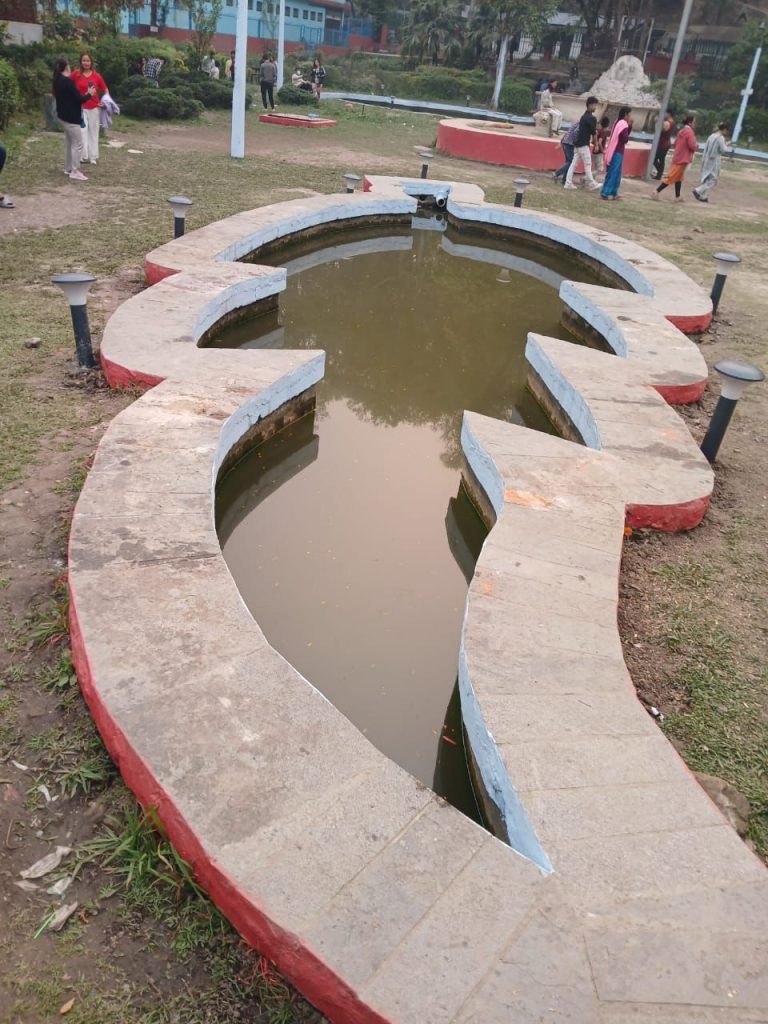
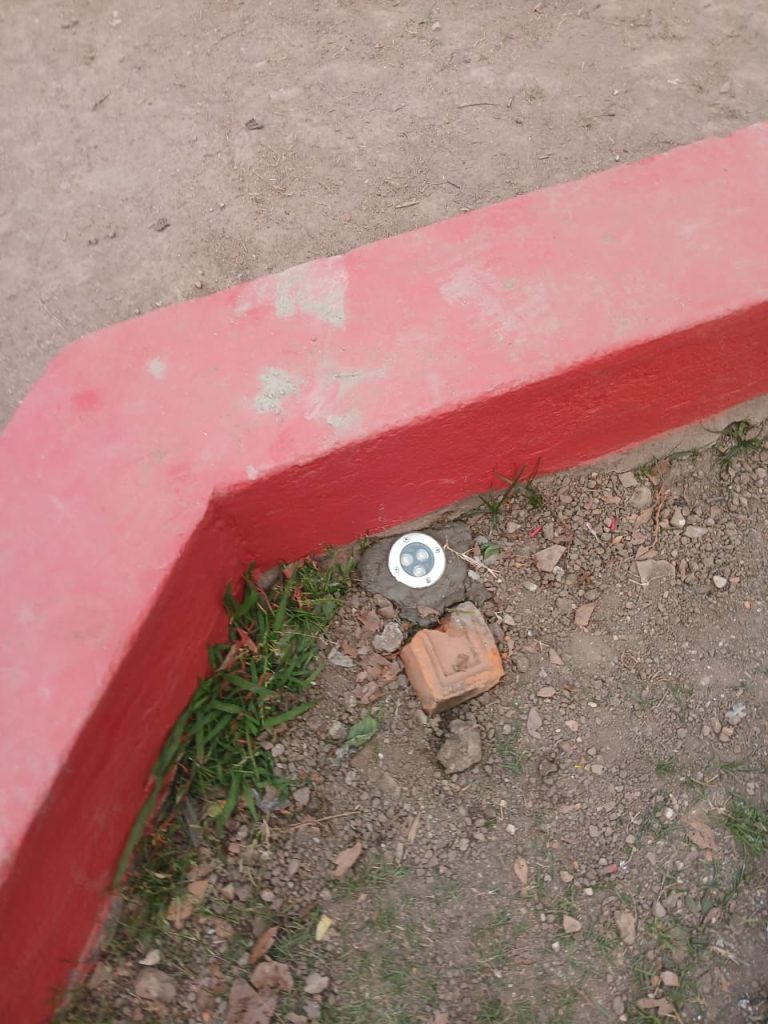
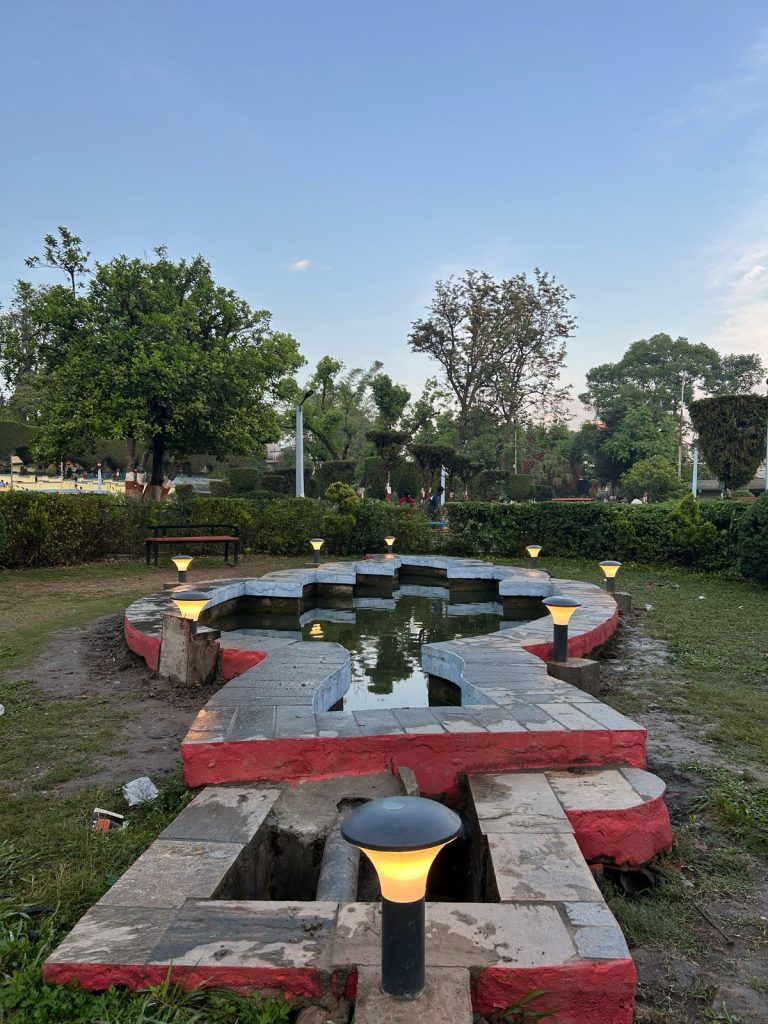
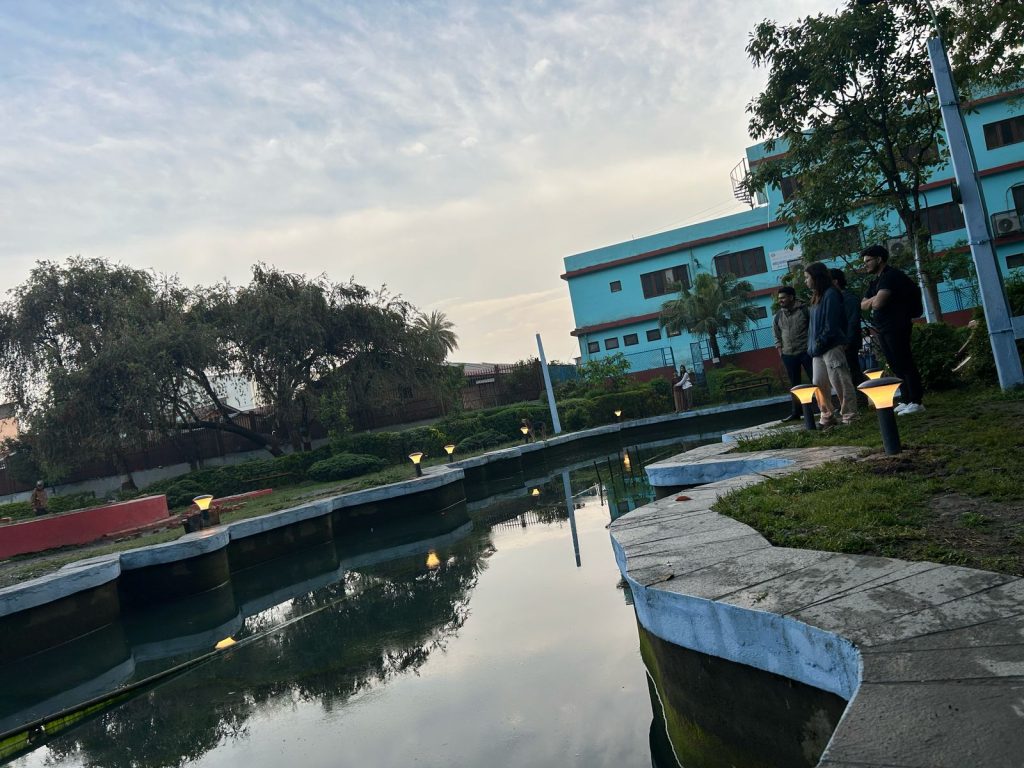
Each park now features smart, energy-efficient lighting systems that can be centrally monitored and controlled. The use of programmable and sensor-based lighting technologies allows for optimized energy use—automatically adjusting brightness according to time, weather, and activity levels. This smart approach supports Kathmandu’s broader goals of energy conservation and sustainable urban management.
Enhancing Night-Time Aesthetics
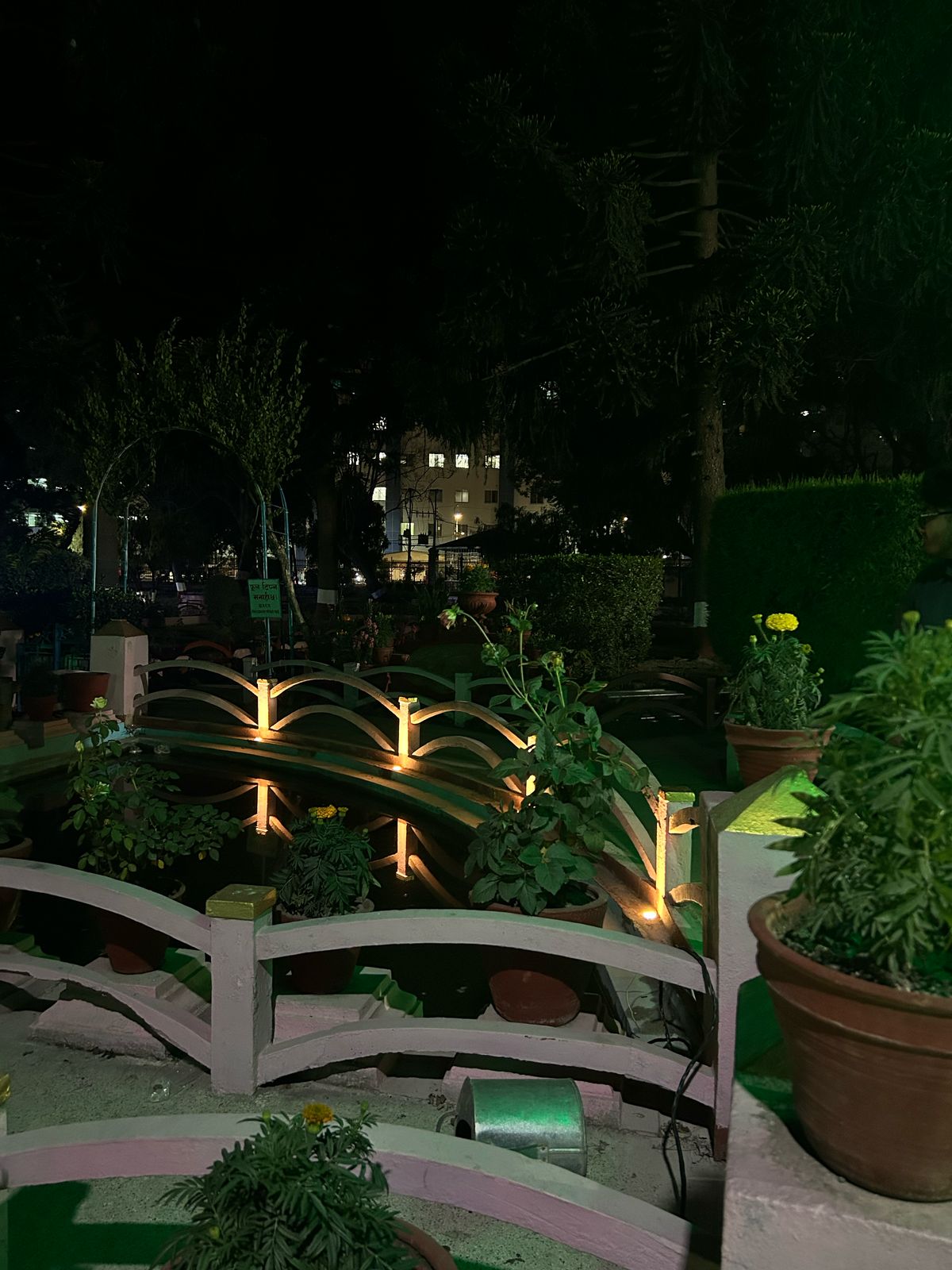
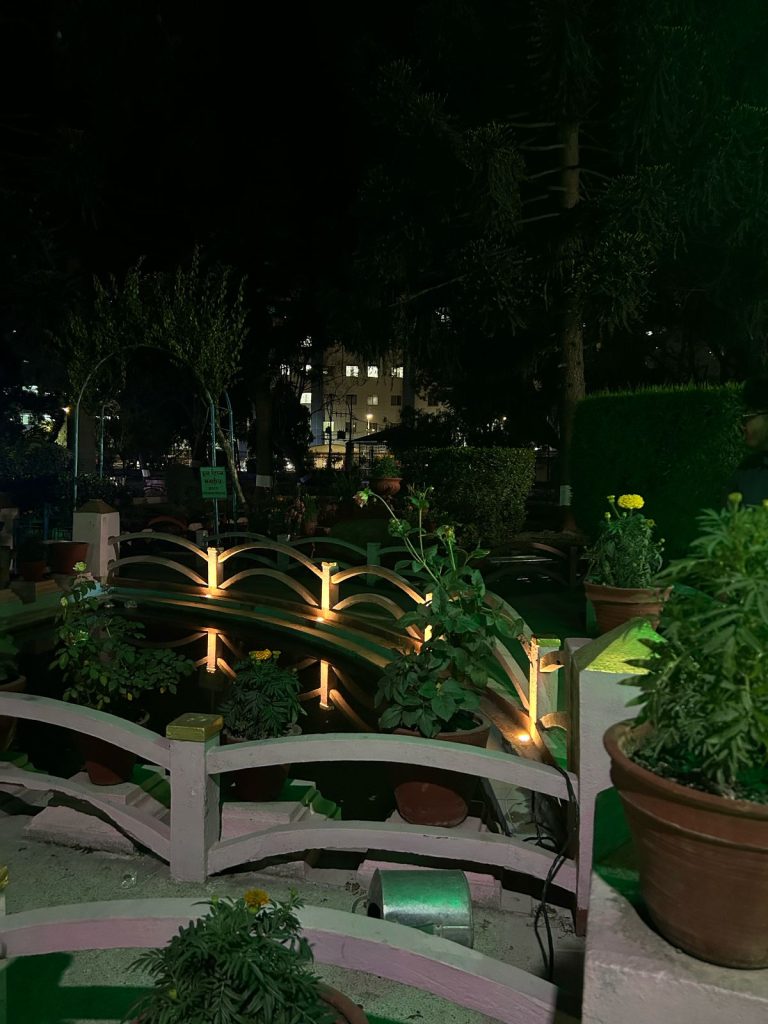
Beyond functionality, the lighting installations were designed to beautify Kathmandu’s parks, transforming them into lively and attractive spaces even after dark. The soft glow of the smart park lights highlights landscaping, walkways, and water features, creating an inviting environment for both residents and visitors. This thoughtful combination of safety and aesthetics enriches the night-time experience of the city and strengthens its image as a modern, people-friendly metropolis.
A Model for Smart Urban Infrastructure
The completion of the Smart Park Lighting Project marks another milestone in Kathmandu’s journey toward becoming a smart and sustainable city. By integrating intelligent technology with urban design, the city is setting an example for municipalities across Nepal—demonstrating how innovation can improve quality of life while preserving environmental responsibility.